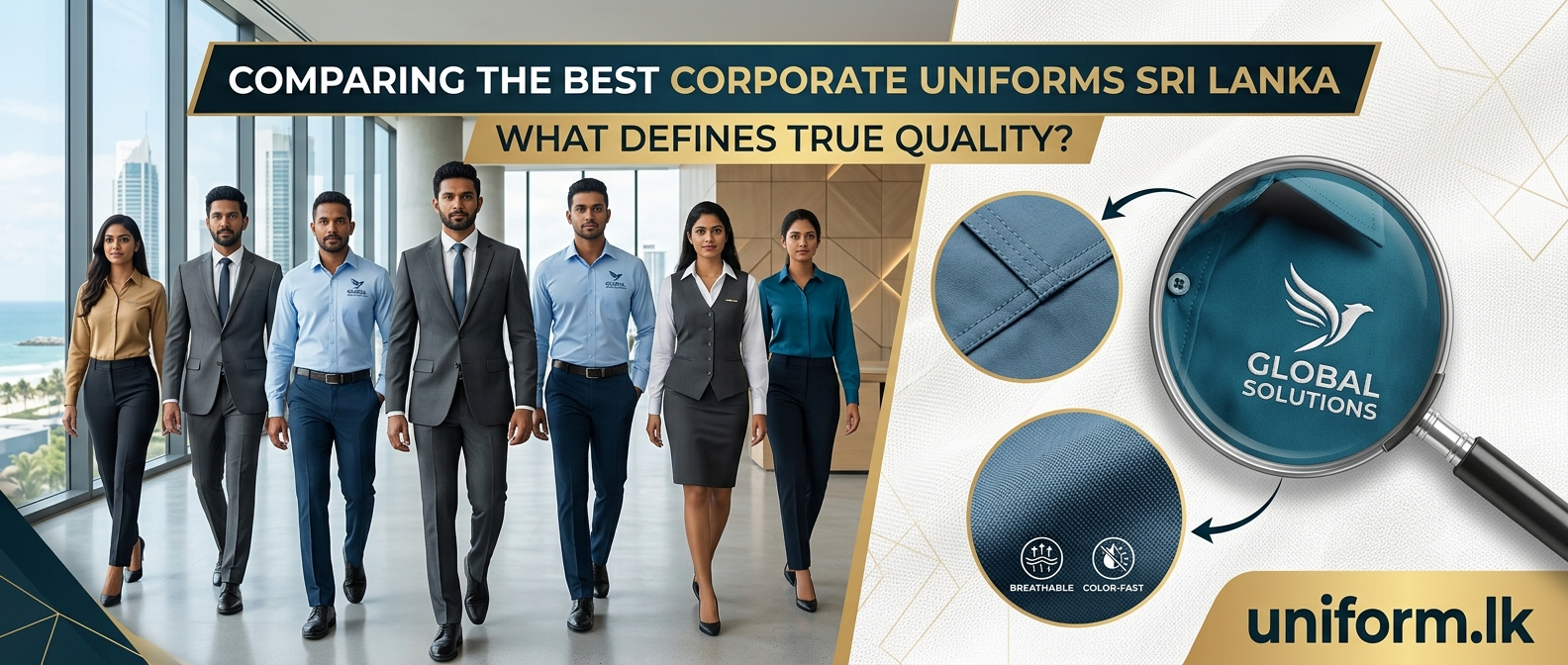
When your employees step into the office, onto a hotel floor, or into a bank branch, their uniform is the very first thing your clients notice. In Sri Lanka’s competitive corporate landscape, an impeccably dressed team doesn’t just look professional—it projects trust, authority, and brand pride.
But as any HR manager or procurement officer knows, not all uniforms are created equal. You might find a supplier who offers an incredible price, only to watch the shirts fade, the seams unravel, or your team complain about the heat two months later.
So, when comparing corporate uniform suppliers in Sri Lanka, what separates the standard options from the truly exceptional? Here is what defines true quality.
The 4 Pillars of True Uniform Quality
1. Climate-Optimized Fabric (The “Sri Lanka Factor”)
Our tropical climate is the ultimate test of a garment. True quality means selecting fabrics that breathe.
- The Trap: Cheap 100% synthetic polyesters that trap sweat, causing discomfort and odor.
- The Quality Standard: High-grade poly-cotton blends (like 65% polyester / 35% cotton). These give you the best of both worlds: the breathability and softness of cotton, combined with the wrinkle-resistance and durability of polyester. For executives, look for gabardine or tropical wool blends that drape beautifully without feeling heavy.
2. Craftsmanship and Durability
A corporate uniform is essentially workwear; it will be worn 40+ hours a week and washed constantly.
- Look for reinforced stress points (like double-stitched seams around the shoulders and pockets).
- High-quality suppliers use fade-resistant, color-fast dyes. Your brand’s signature navy blue shouldn’t look washed-out purple by December.
3. Precision Branding
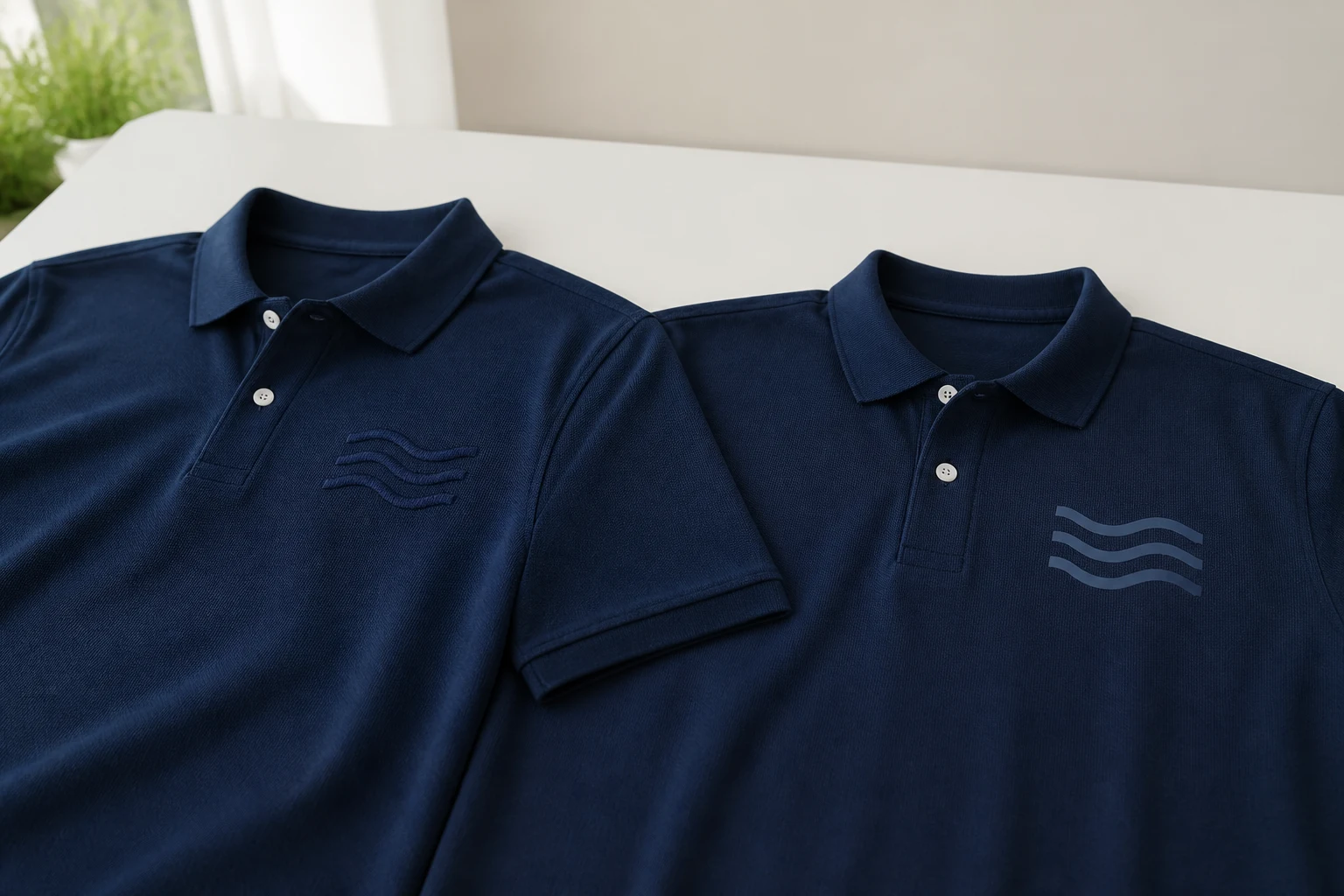
Your company logo is your signature. Budget suppliers often use cheap, puckered embroidery or screen prints that crack in the wash. True quality is found in high-density, computerized embroidery where the thread tension is perfectly calibrated to the fabric, ensuring your logo sits flat and crisp.
4. Inclusive, Tailored Fits
A one-size-fits-all approach is a recipe for a sloppy-looking workforce. The best suppliers offer varied cuts (slim, regular, relaxed) and provide inclusive sizing. A uniform that fits well boosts an employee’s confidence, which directly translates to how they interact with your clients.
Pro Tip for uniform.lk buyers: Always ask for a “wash test” sample. Wash the sample garment 5 to 10 times in standard conditions before signing a bulk contract. This instantly reveals the true quality of the fabric and the stitching.
The Procurement Blueprint
If you are gearing up to order a new batch of uniforms, the process matters just as much as the product. Misordering here leads to delays and wasted budgets.
- Define Your Functional Needs
Before calling suppliers
Map out exactly what the team does. Do they sit in an AC office all day, or do they move between the warehouse and the showroom? This dictates your fabric weight and stretch requirements. - Request Physical Samples
The Touch Test
Never buy based on a digital catalog. Request physical fabric swatches and at least one fully stitched prototype to inspect the seams, buttons, and collar stiffness. - Conduct Fit Sessions
Crucial for employee buy-in
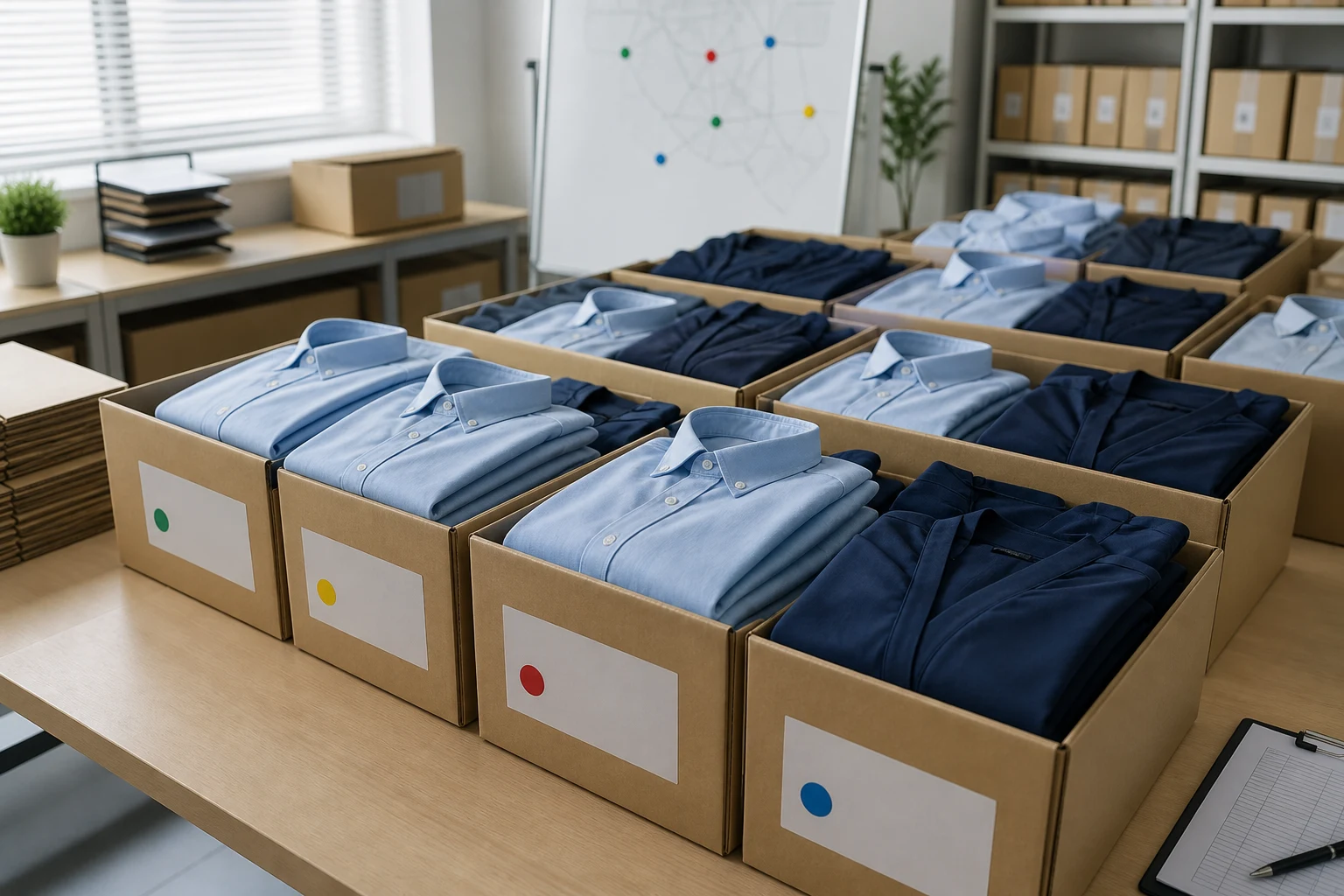
Have the supplier bring sizing sets (S, M, L, XL, etc.) to your office. Let a sample group of employees try them on and provide feedback on mobility and comfort. - Finalize the Contract & Lead Times
Protect your timeline
Confirm your SLA (Service Level Agreement). Ensure there are clear policies for replacing defective items, lead times for new hires, and guarantees on fabric color consistency for future reorders.
The Bottom Line
At the end of the day, a corporate uniform is an investment in your company’s image and your team’s morale. When comparing the best options in Sri Lanka, move past the initial price tag. Look closely at the fabric blend, inspect the stitching, and prioritize wearer comfort.
Ready to elevate your team’s look? Explore our trusted directories and insights right here on uniform.lk.