If you are budgeting printed T-shirts in Sri Lanka, the quote is almost never “just the tee.” Cost is garment + decoration method + colour count + size-run complexity + spare stock. This guide breaks those parts so procurement can compare suppliers fairly.
1. Base garment price
Start with a catalogue tee that matches your use case: event crew, school PE, or everyday staff wear. Mid-weight cotton or poly-cotton (~170–200 GSM) is the usual Sri Lankan workhorse. Heavier cloth costs more and runs hotter outdoors.
2. Print vs embroidery
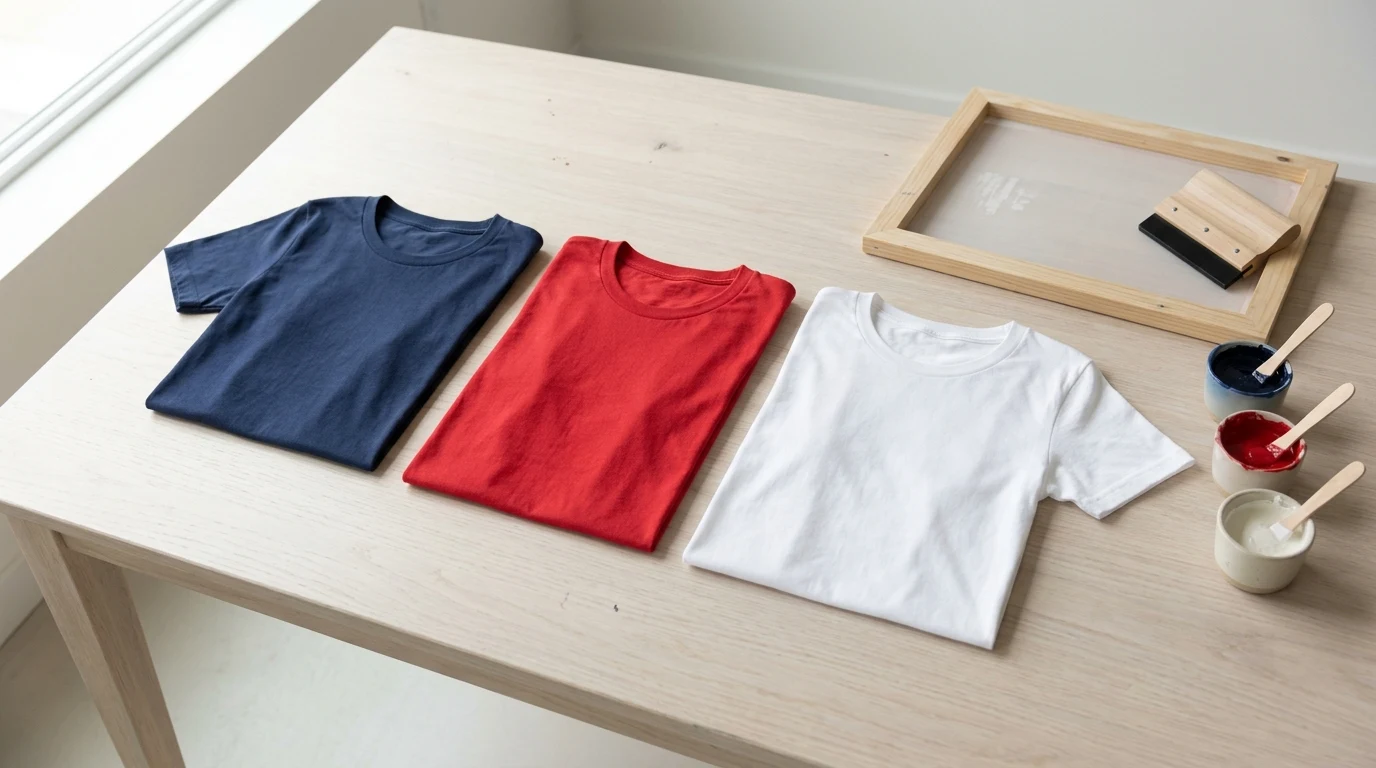
- Screen print — efficient for large single-colour or few-colour backs at higher volume
- DTF / digital — better for multi-colour artwork and shorter runs
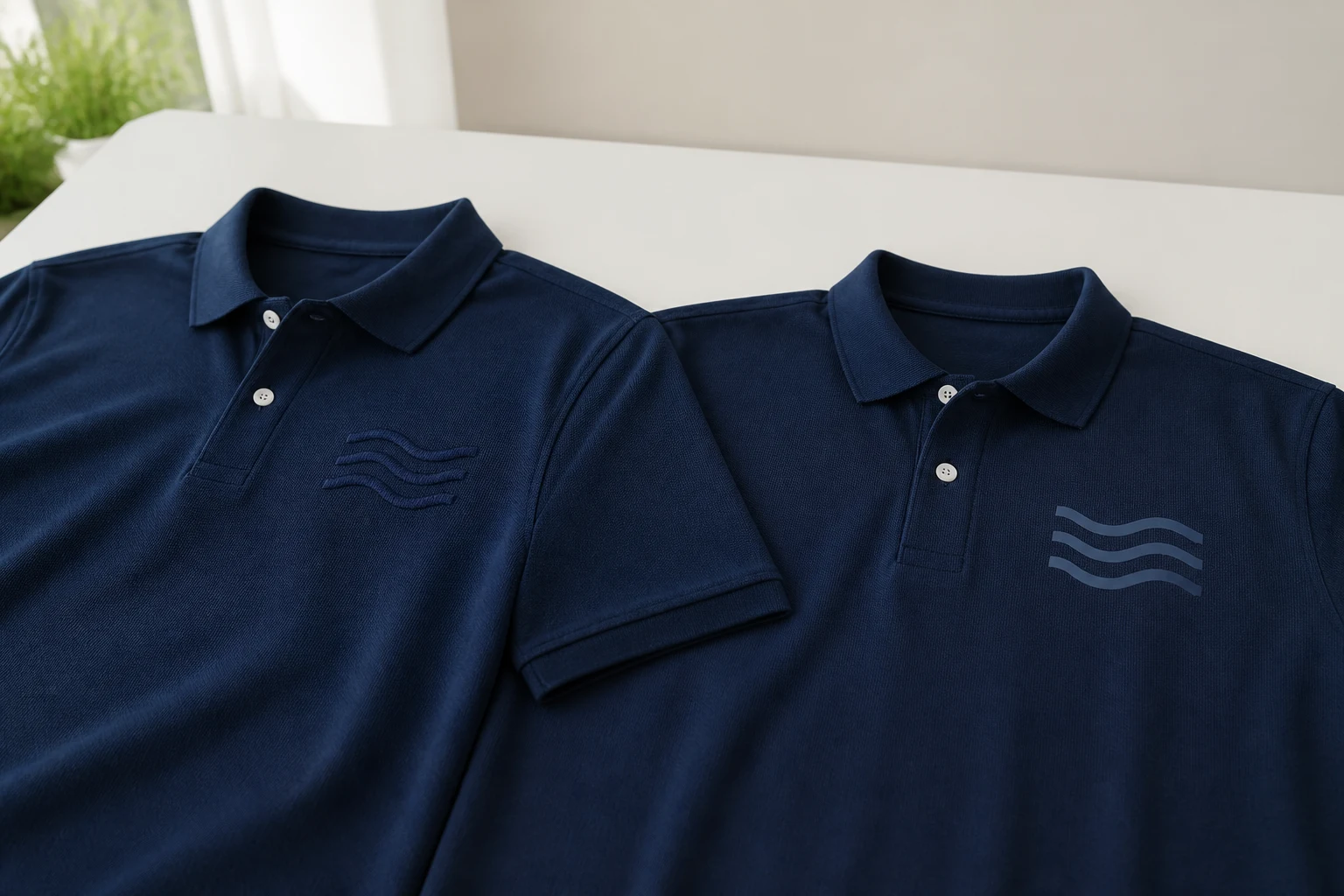
- Embroidery — premium for small logos on polos; priced by stitch count and placements
3. Volume and MOQ
At Uniform.lk, best per-piece rates typically unlock from 10+ pieces per style. Larger crews (50–200+) usually negotiate better decoration rates because setup is spread across more garments. Always ask for the all-in unit price including branding — not garment-only.
4. Hidden cost: wrong sizes
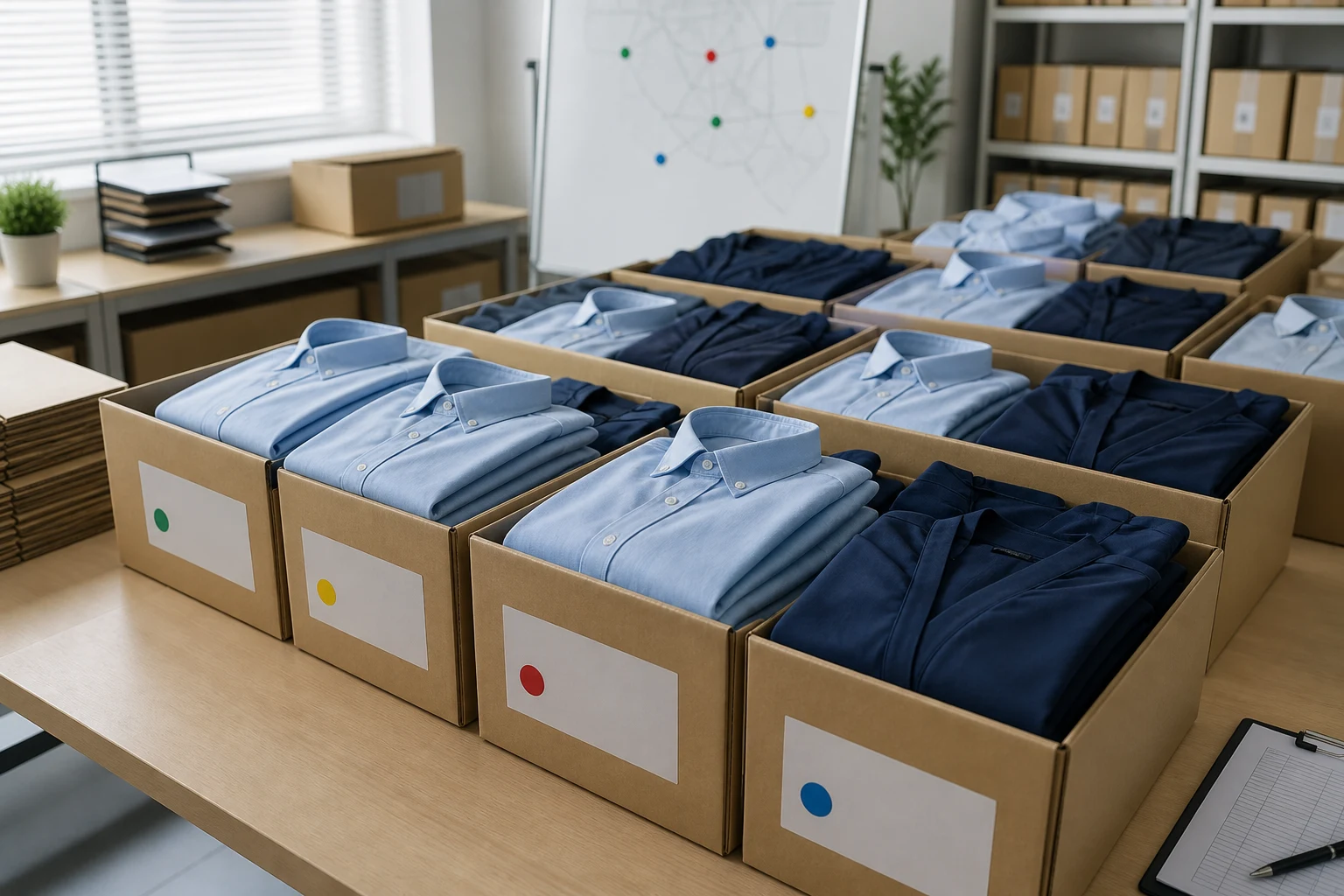
A cheap tee that does not fit still costs you a reorder and a missed event. Use the size guide, sample key sizes, and keep spare stock in your top two sizes.
Practical next step
Compare classic round-neck and event crew tees, then request a bulk quote with artwork attached. Full range: T-shirts & polos.